Case Notes
History
Trauma. Hip pain.Exam
Prior Study
Dicom
Findings
| LIMITATIONS | Correct Answer | Your Answer |
|---|---|---|
|
There is patient motion, streak artifact, severe osteopenia, or other limiting factors. |
No | NA |
| VISUALIZED LUMBAR SPINE | Correct Answer | Your Answer |
|---|---|---|
|
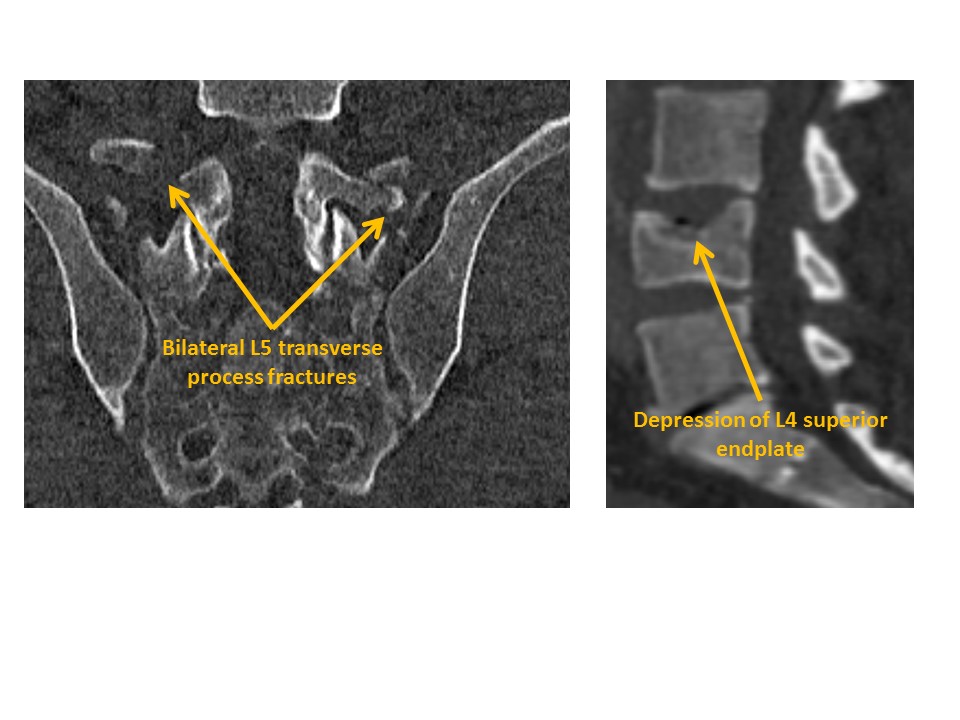
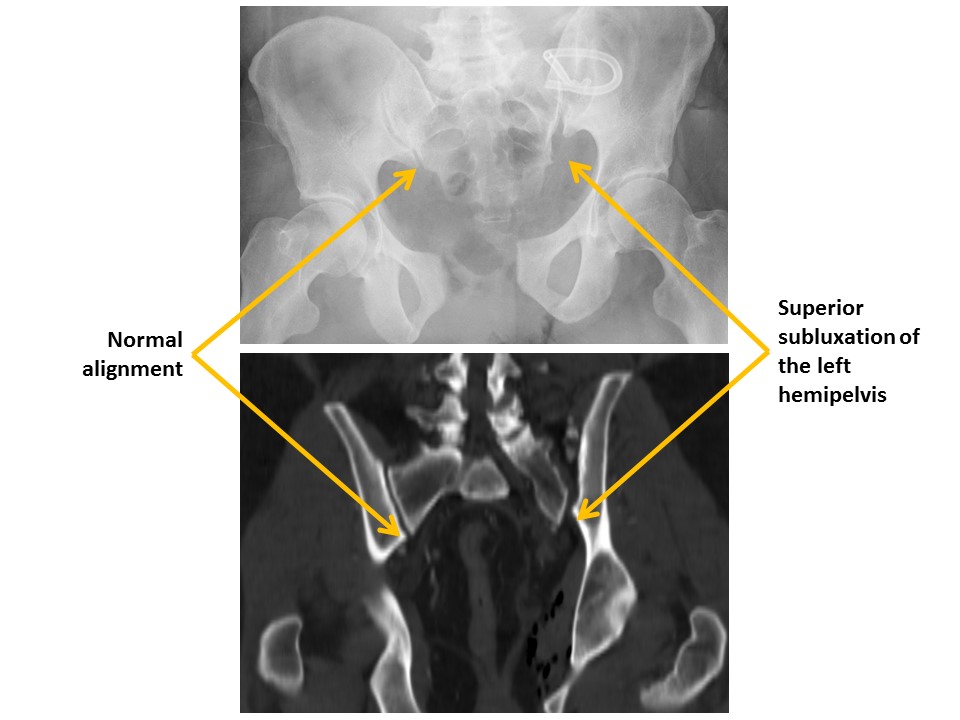
There are compression fractures, transverse process fractures, or malalignment. |
No | NA |
|
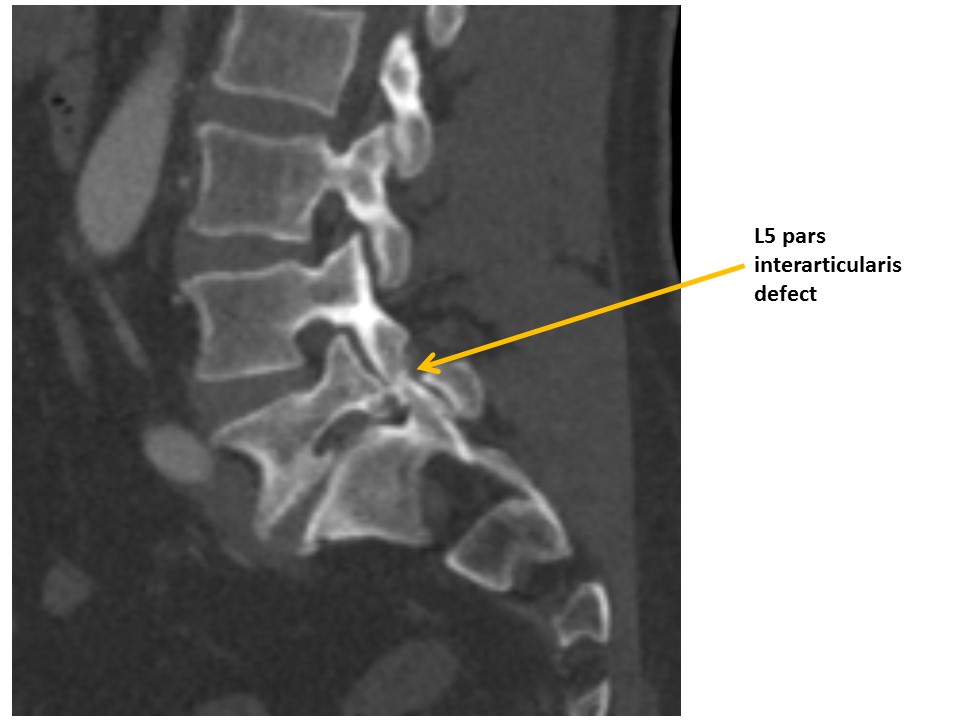
There are pars interarticularis defects. |
No | NA |
|
|
No | NA |
| SACRUM and SACROILIAC JOINTS | Correct Answer | Your Answer |
|---|---|---|
|
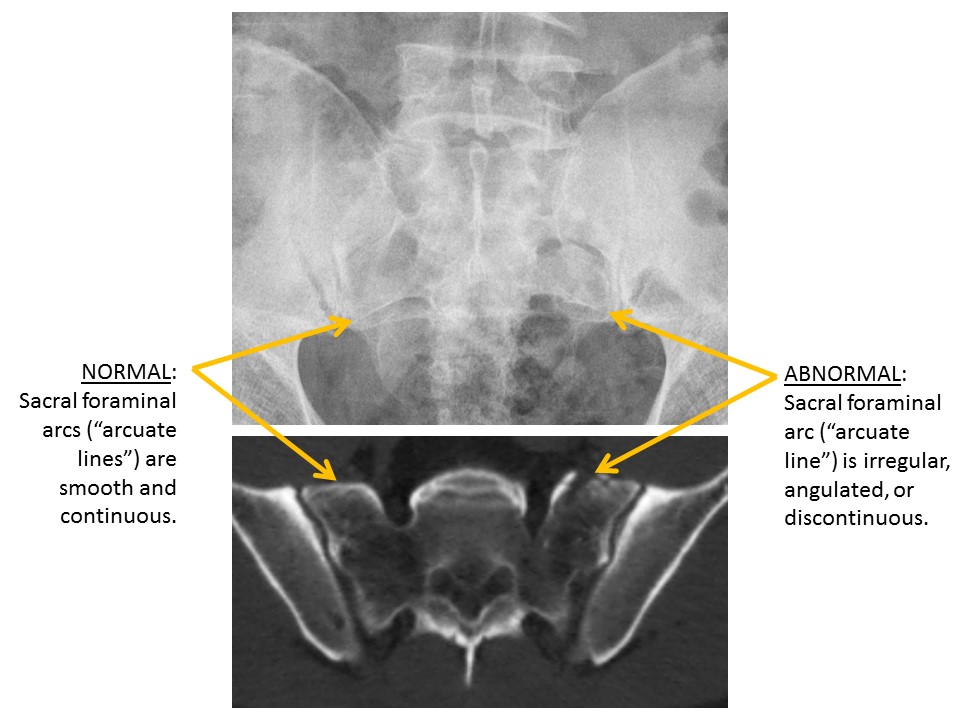
A fracture is present. |
Yes | NA |
|
|
No | NA |
|
|
No | NA |
|
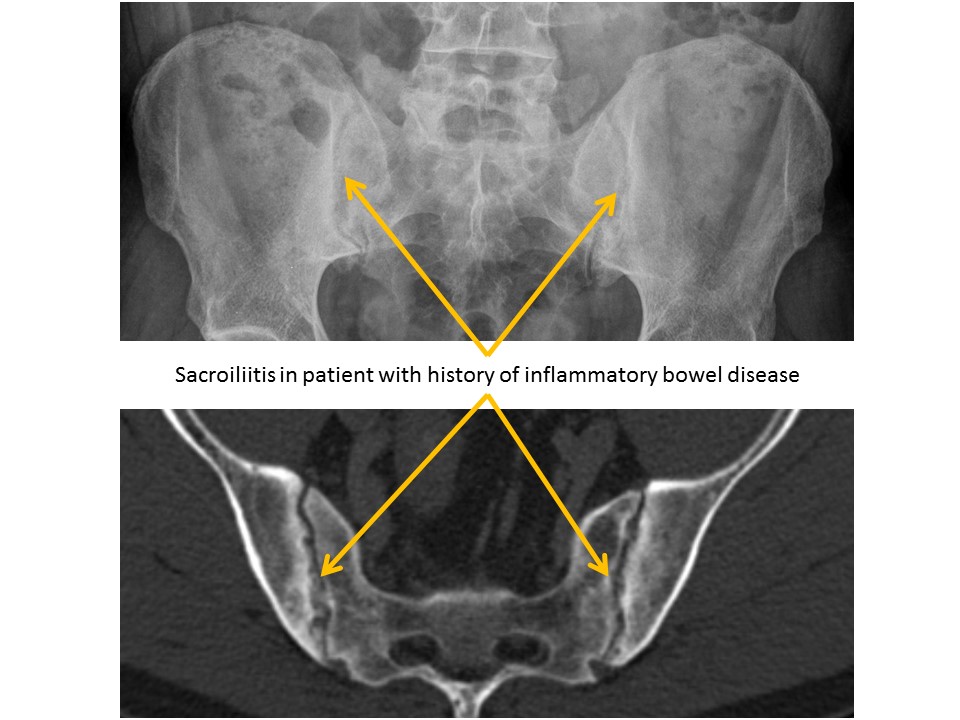
There are CT findings of sacroiliac inflammation or degeneration. |
Yes | NA |
| INNOMINATE BONES | Correct Answer | Your Answer |
|---|---|---|
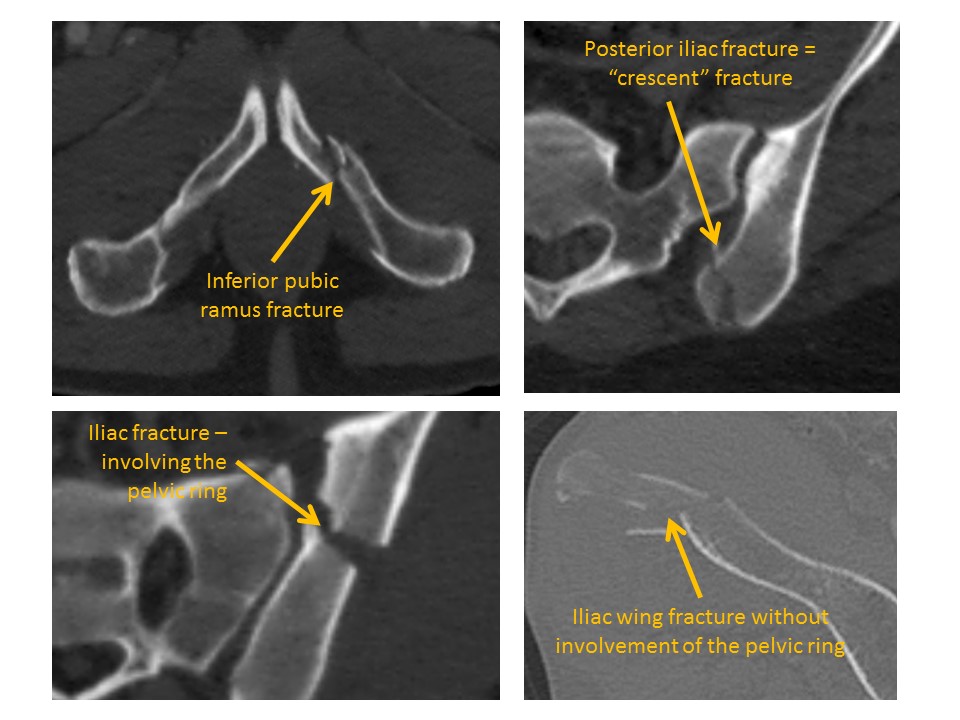
|
|
Yes | NA |
|
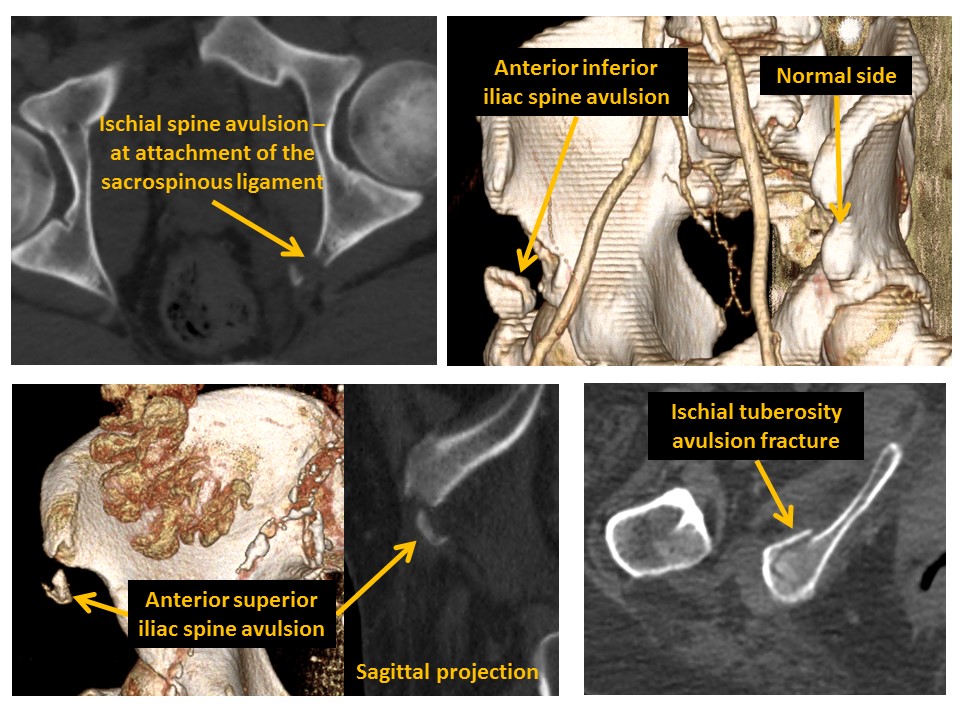
Avulsion fractures are present. |
No | NA |
|
|
No | NA |
| PUBIC SYMPHYSIS | Correct Answer | Your Answer |
|---|---|---|
|
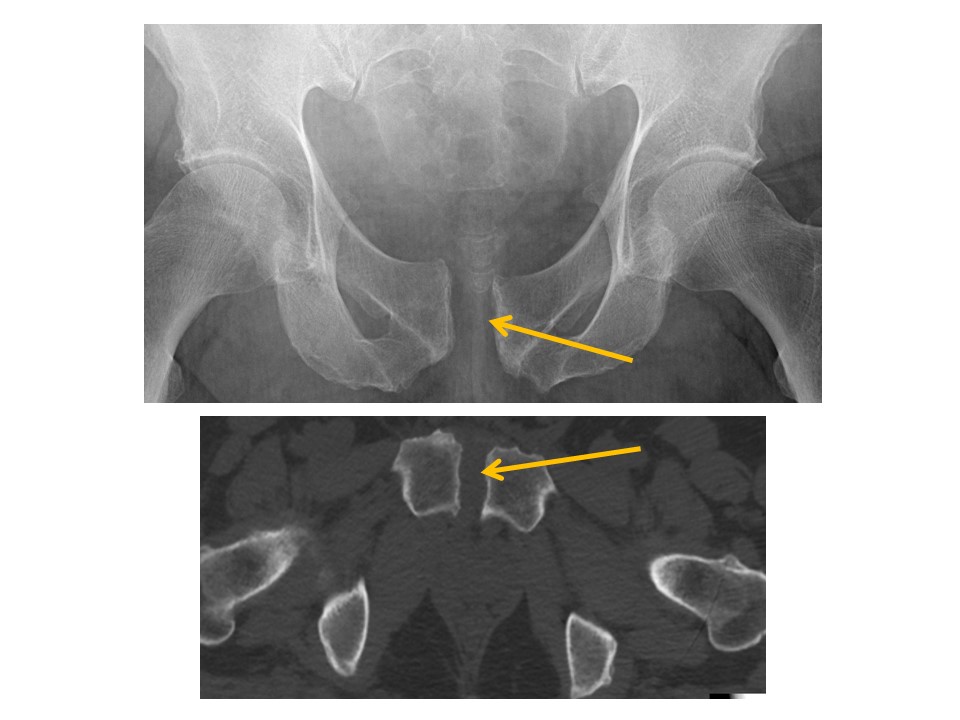
The pubic symphysis is widened or vertically incongruent. |
No | NA |
|
There are CT findings of pubic symphysis inflammation or degeneration. |
No | NA |
| HIPS/PROXIMAL FEMURS | Correct Answer | Your Answer |
|---|---|---|
|
|
No | NA |
|
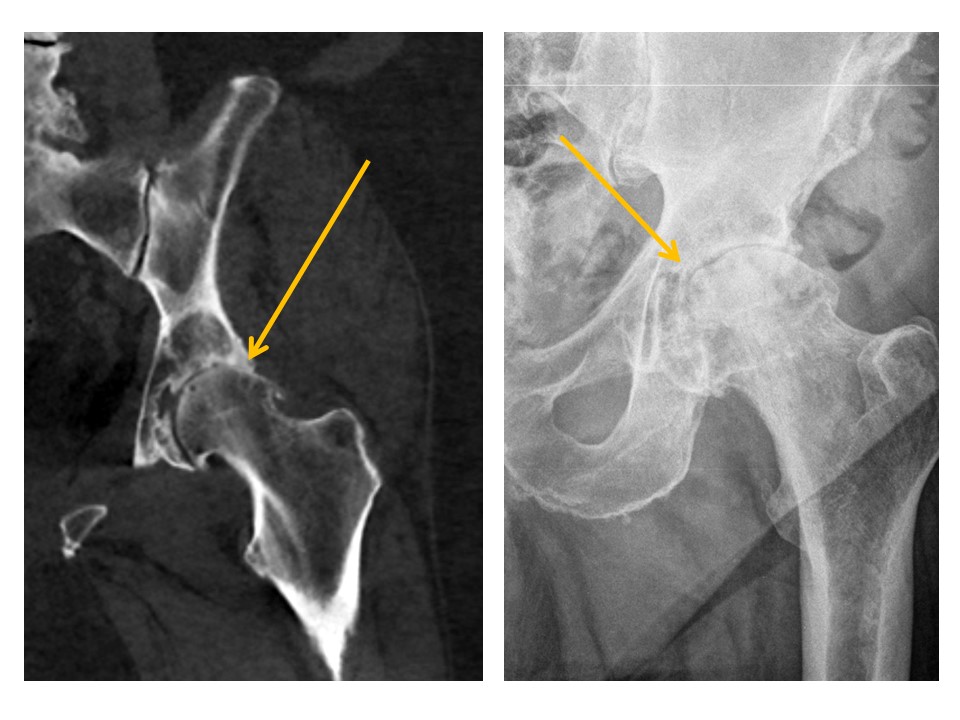
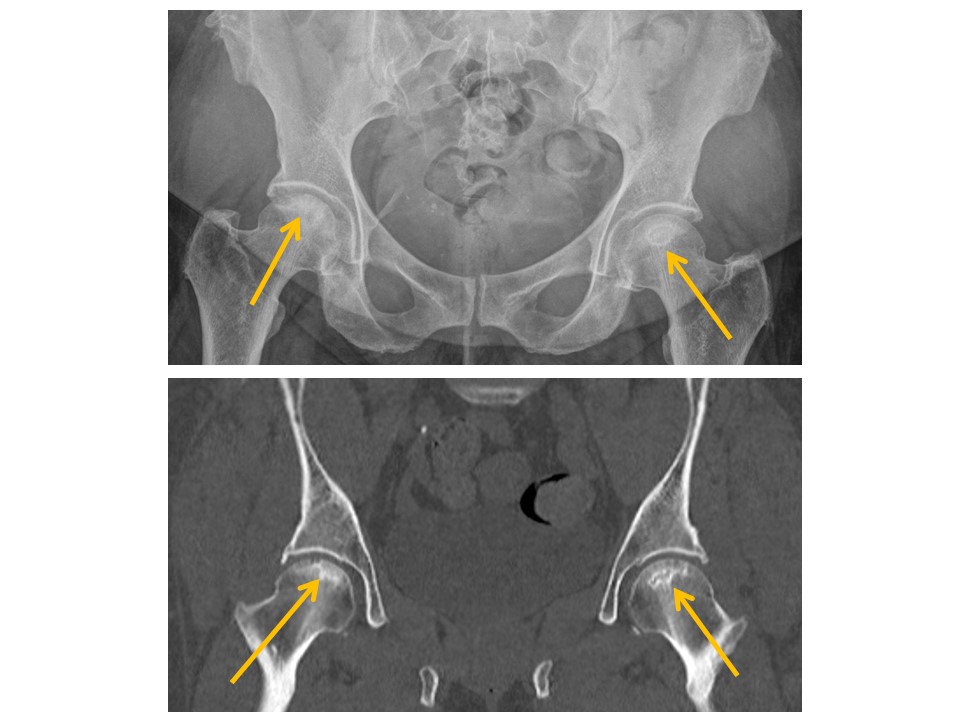
There is hip osteoarthritis or inflammation. |
Yes | NA |
|
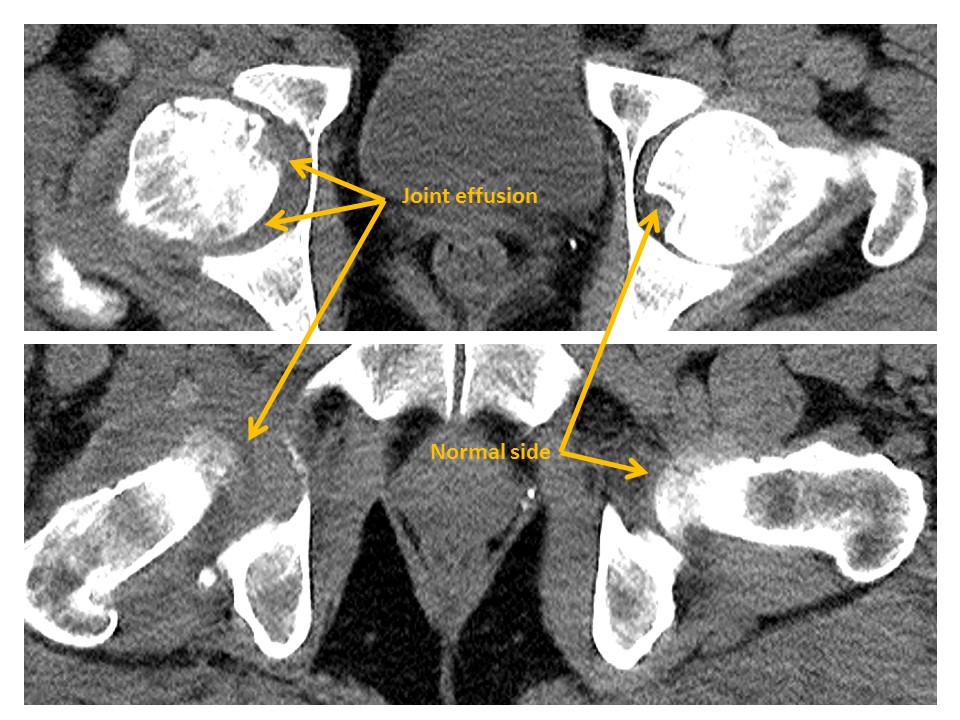
There are hip joint effusions. |
No | NA |
|
|
No | NA |
|
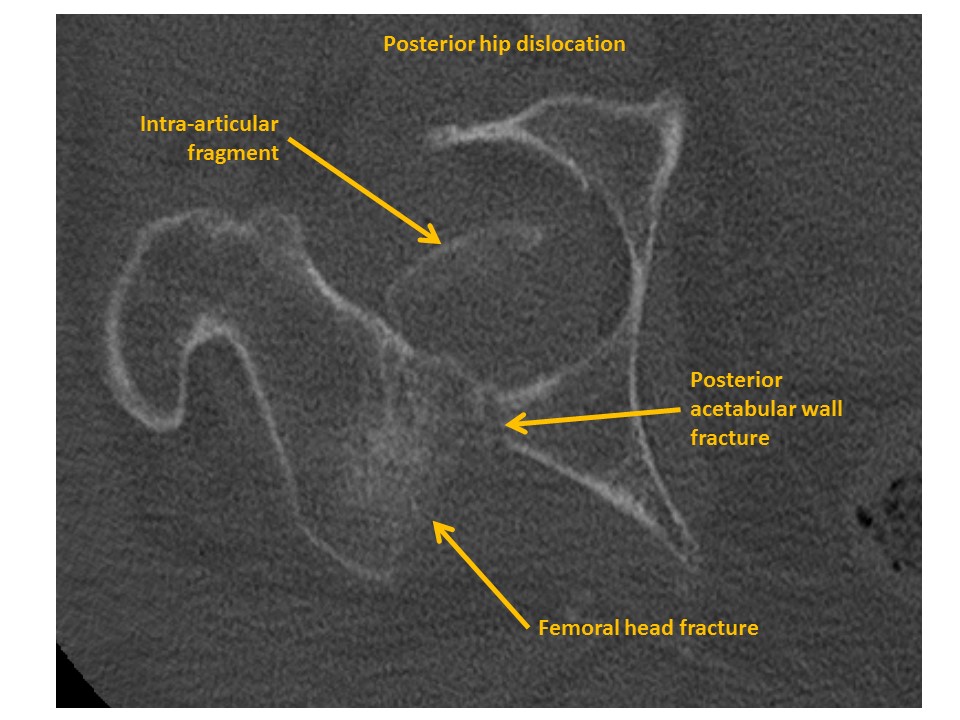
Femoral head fractures are present. |
No | NA |
|
|
No | NA |
|
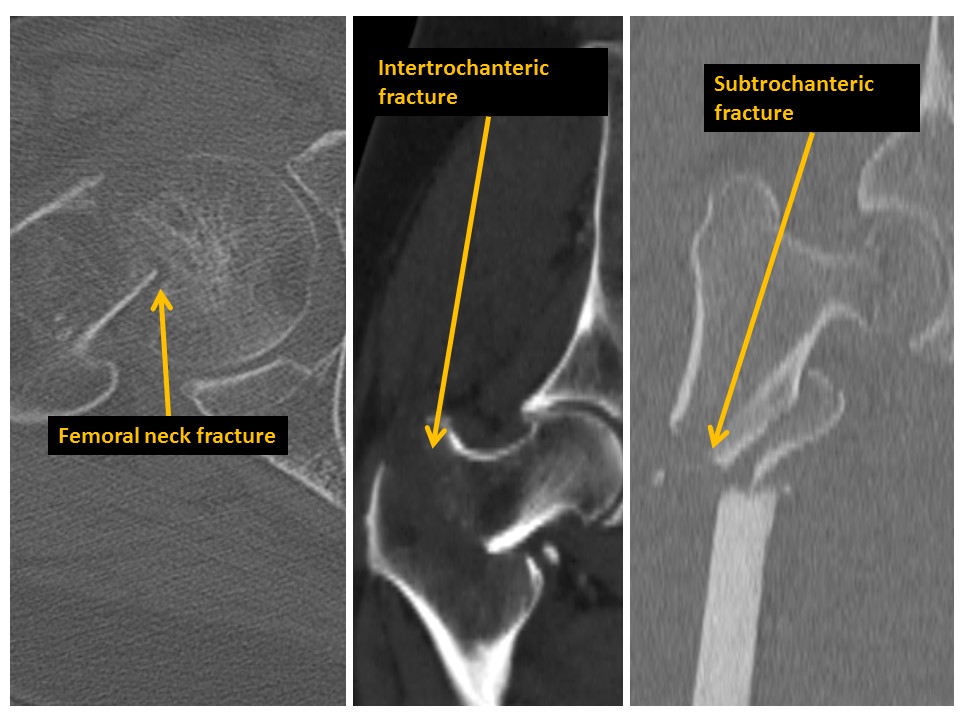
There are fractures of the femoral neck, intertrochanteric region, or subtrochanteric region. |
No | NA |
|
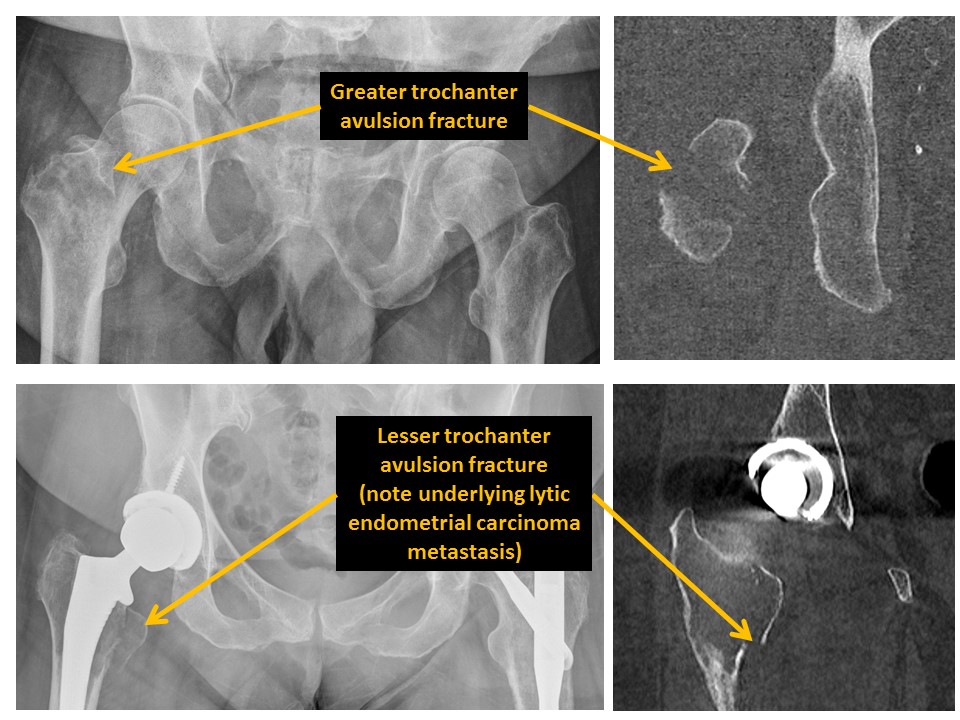
There are avulsion fractures of the greater or lesser trochanters. |
No | NA |
| MISCELLANEOUS OSSEOUS | Correct Answer | Your Answer |
|---|---|---|
|
The osseous mineralization is diffusely abnormal. |
Yes | NA |
|
|
Yes | NA |
| SOFT TISSUES | Correct Answer | Your Answer |
|---|---|---|
|
There is acute or chronic pathology of the vessels. |
Yes | NA |
|
There is acute injury to the muscles or the superficial adipose layer. |
Yes | NA |
|
The visualized intrapelvic organs are abnormal. |
Yes | NA |
Impression
Expert Answer
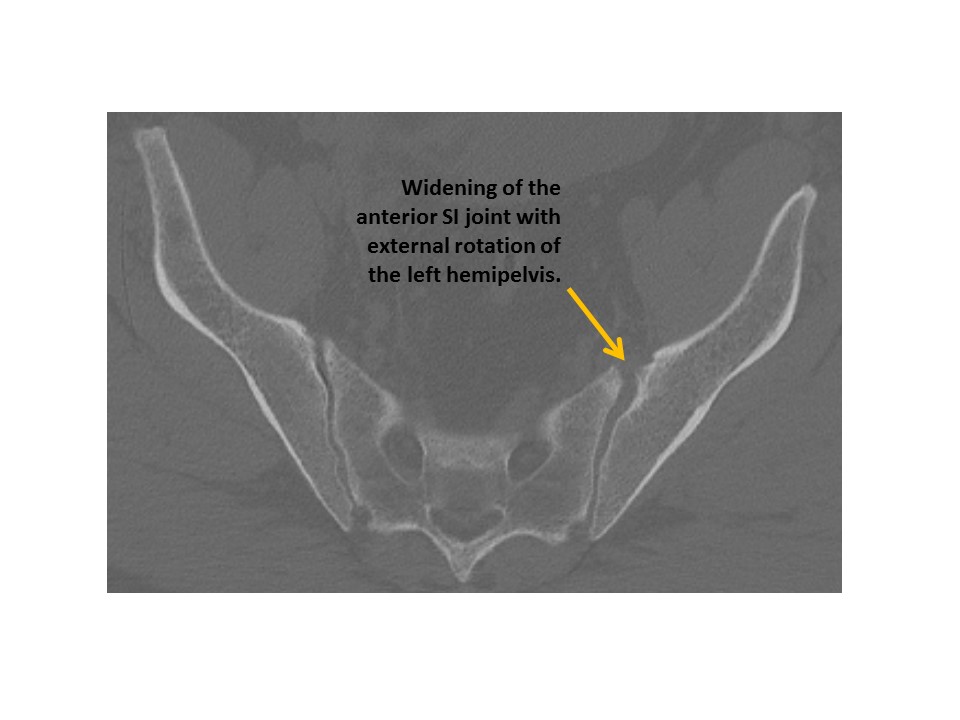
Findings most consistent with lateral compression type pelvic ring injury. Anterior ring injuries include left obturator ring fractures and right pubic body fracture. Posterior ring injuries include impacted zone 1 fracture of the left sacral ala and nondisplaced fracture of the left posterior ilium (crescent fracture). Hematoma adjacent to the left obturator ring fractures extending to a thickened bladder wall. Hematoma adjacent to the right external iliac vein which may be related to recent vascular access.
Your Answer
Recommendations & Acuity
Recommendations
Expert Answer
CT cystogram.
Your Answer
Acuity
Expert Answer
Urgent: non-routine communication within 4 hours